
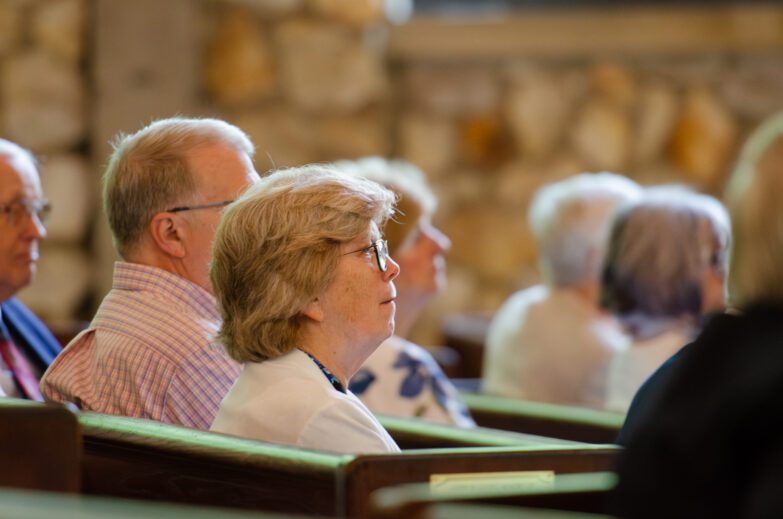
Leading a congregation through a time of transition is both challenging and extremely rewarding work. In times of change, whether due to pastoral shifts, congregational restructuring, or evolving community needs, faith communities are invited to rediscover who they are and who they are being called to become. As such, thoughtful, skilled leaders are necessary to guide congregations between what was and what will be. To support these efforts, Montreat Conference Center is hosting The Art of Transitional Ministry, a continuing education program for pastors, later this year.
Within the Presbyterian Church (U.S.A.) and across many other denominations, transitional ministry has emerged as a specialized calling focused on guiding congregations with care, wisdom, and patience as they navigate uncertainty and possibility. Transitional pastors are not brought in as immediate problem-solvers or rapid change agents, nor can they simply focus on maintaining stability or implementing quick fixes. Instead, they must serve as companions and leaders who listen for the Holy Spirit while helping communities engage and wrestle with their identity, history, and future.
At its heart, transitional ministry calls for resilience, emotional intelligence, and a deep well of spiritual strength. It also requires a willingness to embrace a different kind of leadership that is rooted in attentiveness and discernment. Those who feel drawn to this work often share a curiosity about how congregations grow through change and a commitment to walking alongside others with love, imagination, and grace.
The Art of Transitional Ministry at Montreat Conference Center is designed to equip leaders for this meaningful work. Through the program, participants gain the knowledge, skills, and self-awareness necessary to serve effectively in transitional settings. Options are available for those already engaged in transitional ministry and for those interested in exploring these leadership opportunities further.
Week One offers an introduction and foundation for those curious about transitional ministry, as well as for those already serving in interim roles. It provides space for reflection on current practices, engagement with key concepts, and dialogue with others in similar roles. This week is also valuable for members of presbytery staff, Committees on Ministry, and leaders from other denominations who seek to better understand and support transitional work.
Week Two builds on this foundation by focusing on integration and application. Participants gather in small groups to reflect on their experiences, explore their leadership styles, and deepen their understanding of how they function in transitional contexts.
Recognizing that transitional ministry affects not only pastors but also their families, the program also includes a spouse track. This offering provides spouses with an opportunity to learn about the unique dynamics of transitional ministry while also connecting with others who share similar experiences.
The full program includes 60 contact hours, divided between the two week-long programs, along with a practicum that bridges learning and real-world application. For those unable to join in-person, a virtual option is also available.
For those sensing a call to guide congregations through periods of change, The Art of Transitional Ministry offers both preparation and inspiration. It is an invitation to lead with courage, humility, and faith, while trusting that even in transition, God is at work bringing renewal and hope. We invite you to learn more or register today by visiting our website.
This article was originally published in the April edition of Montreat Conference Center’s email newsletter Cultivating Curiosity which highlights for spiritual growth at Montreat. Sign up to receive Cultivating Curiosity directly in your inbox by clicking here.